IGCSE Lower Secondary Science Tuition

Build strong foundations across biology, chemistry and physics, taught as one integrated science course in small expert-led classes.


Book a Free Trial 💬 Chat on WhatsApp
Meet Your Tutors
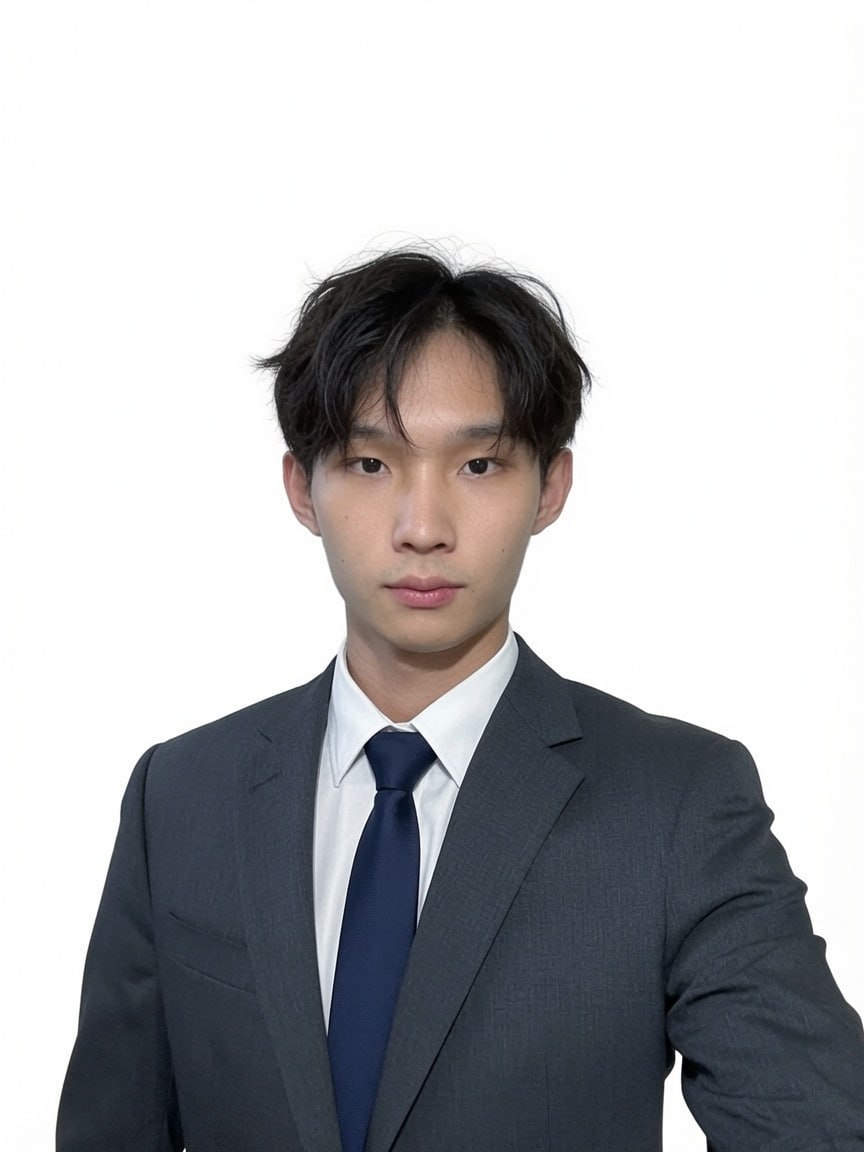
Mr Zhang Zhuoyang
Co-Subject Lead (Sciences)
Mr Zhang Zhuoyang
NUS
BComp Computer Science (Hons.) NUS SoC Scholarship National University of Singapore
Singapore-Cambridge GCE A-Level
90/90 Rank Points Straight As
Ms Felice Hong
Co-Subject Lead (Sciences)
Ms Felice Hong
UOL
BSc Finance (Hons.) University of London
Singapore-Cambridge GCE O-Level
A1 · Pure Biology A1 · Pure Chemistry

Get it right early, and IGCSE Science becomes far smoother.

At Years 7–9, science is taught as one integrated subject spanning biology, chemistry and physics, following the Cambridge Lower Secondary Science framework (the run-up to Checkpoint and the separate IGCSE sciences). Get the core ideas and scientific thinking right here, and the jump to IGCSE Biology, Chemistry and Physics becomes far smoother. Classes are capped at 10 students.

Aligned to the Cambridge
Lower Secondary Science framework.

Full coverage of the Cambridge Lower Secondary Science framework, Years 7–9.

🧬 Biology

Cells Grouping & Identifying Organisms Microorganisms & the Environment Respiration Ecosystems Diet & Growth Photosynthesis & the Carbon Cycle Maintaining Life Genes & Inheritance

⚗️ Chemistry

Materials & Their Structure Properties of Materials Changes to Materials Chemical Reactions Reactivity Rates of Reaction

⚡ Physics

Forces & Energy Earth Physics Electricity Light Magnetism Sound & Space

🧪 Thinking & Working Scientifically

The inquiry skills that run through every IGCSE science paper, built from Year 7 onwards.

Enquiry, observation and careful measurement
Identifying variables and designing fair tests
Evaluating evidence and drawing justified conclusions
Communicating findings using precise scientific language

Understanding first. Marks follow.

🏋
#1
Singapore ranked globally in Science
OECD PISA 2022

Science rewards understanding and correct scientific language, habits best built early. In a class of up to 10, our tutors turn processes and diagrams into ideas students genuinely understand, introduce accurate terminology that earns marks later, and develop the working scientifically skills (variables, fair testing, drawing conclusions) that underpin every IGCSE science paper.

Singapore is ranked #1 in the world for Science (OECD PISA 2022) and our tutors were trained in that system, then graduated from top Singapore and British universities. They teach the science your child will carry forward, not shortcuts for one year's assessments.

You receive a written progress report after every block.

Student Support

Full Curriculum Coverage
Interactive Online Classes
24/7 Online Learning Support
Topic Notes & Cheat Sheets
Frequent Progress Reports

How We Teach Lower Secondary Science.

Our teaching is built on the methods that make Singapore the #1 country in the world for Science (OECD PISA 2022), adapted for small online groups of up to 10. Every student starts with a short diagnostic, so we teach to their actual gaps rather than a generic scheme. Because this stage is integrated, we make sure biology, chemistry and physics are each understood properly, introducing ideas with clear models and demonstrations so concepts genuinely make sense before any memorising. We build the correct scientific vocabulary early and develop the "working scientifically" skills (variables, fair testing, drawing conclusions) that every IGCSE science paper later depends on.

Because classes are capped at up to 10, the tutor can check each student's understanding in real time and correct misconceptions on the spot, and you receive a written progress report after every block.

Lesson Structure

Every two-hour session follows a clear, repeatable rhythm.

🔁 Recap & Retrieval 10 min
💡 Concept Teaching 25–30 min
✏️ Guided Practice 25–30 min
📝 Independent Practice & Live Feedback 30–35 min
🏆 Challenge & Stretch 10–15 min
📋 Wrap-up & Homework 10 min

Questions about this programme.

How can my child excel in Lower Secondary Science?
Curiosity plus genuine understanding. The students who do best build solid foundations across biology, chemistry and physics, learn the correct scientific vocabulary early, and practise the "working scientifically" skills rather than just memorising facts. Our small-group classes are built around exactly this, so the jump to the separate IGCSE sciences feels natural.
Is it easy to get good grades in Lower Secondary Science?
It's very achievable at this stage, since there's no external exam yet and the content is foundational. The real risk isn't difficulty, it's silent gaps and weak scientific vocabulary that quietly become barriers at IGCSE. We close those gaps early across all three disciplines.
Why does my child struggle even though they revise?
Usually because science is being memorised without the underlying ideas making sense, so unfamiliar questions throw them. We teach the "why" first and the precise language that earns marks later, and because the subject is integrated, we make sure no single discipline is left behind.
Does Lower Secondary Science really matter if there's no major exam yet?
Yes -- arguably more than any later stage. Years 7–9 build the concepts, vocabulary and scientific method that IGCSE Biology, Chemistry and Physics are built directly on top of, so a strong foundation here pays off through every later science grade.
Will this prepare my child for the separate IGCSE sciences?
Yes, that's its purpose: a strong, well-understood foundation in biology, chemistry, physics, and the relevant answering methods, helps to ready students for when the three split into separate subjects at Years 10–11.
Read All FAQs →

Give your child a science foundation
that pays off at IGCSE.

Book a free trial class this week. Every class is capped at under 10 students.